
Nostalgia and December Holidays: How Looking Back Helps Us Move Forward

There are many things to do in wintery December. This includes holiday celebrations. Across them all, the season provides a chance for celebration, tradition, and togetherness.
For aging adults — whether Seniors, Baby Boomers, or Gen Xers – holidays may bring a flood of memories from years gone by. From handwritten cards to family gatherings in a decorated home, lighted candles, special meals…reminiscing and sharing those memories is a wonderful way to keep the spirit of the holiday current.
December’s Winter Wonderland
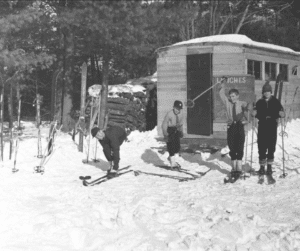 Memories for Decembers gone by focus on more than only holidays. We can count on snow. And that brings the chance for building a snowman, skiing, ice skating or even a friendly snowball fight.
Bundling up in a favorite sweater or enjoying a crackling fire can definitely be part of winter in Pennsylvania and Delaware.
Although the way holidays are celebrated has likely changed for older adults through the decades, it is good when the essence remains: connection, giving, and joy.
Aging in place and living independently at home may also help people to continue favorite traditions while creating new ones.
Strolling Down Memory Lane
In this post, we explore how holiday festivities have changed over time. The focus is more on popular culture rather than digging deeply into spiritual celebrations. This is simply to share common experiences that people living through these decades may remember. Religious observances are certainly an especially important part of the mix but may be more directly tied to rituals or doctrines that an individual or family practices.
After highlighting December holidays through the decades, we explain why nostalgia may be good for the holistic health of aging adults.
How Holiday Celebrations Have Changed, Early Years
Holiday traditions mirror cultural shifts. Here’s a quick journey through the decades:
1940s – Wartime Simplicity: During World War II, celebrations were modest because many families were separated and there were wartime shortages and rationing.
The National World War II Museum writes that “The government rationed certain foods in May 1942, starting with sugar. Coffee was added that November, followed by meats, fats, canned fish, cheese, and canned milk in March. Government posters urged Americans to plant “victory gardens” and can their vegetables to free up factory-processed foods for military use.
Restaurants had meatless menus on certain days to help conserve the meat supply, and advertisers offered recipes for walnut cheese patties and creamed eggs over pancakes. Macaroni and cheese became a nationwide sensation because it was cheap, filling, and required few ration points. Kraft sold some 50 million boxes of its mac & cheese product during the war.”
Families made homemade decorations and exchanged simple gifts. Soldiers received care packages and letters from home, and carols like White Christmas became iconic.
Holiday Celebrations, Baby Boomer Generation
1950s & 1960s – Post-War Prosperity: : After the war, the economy roared ahead in part due to the G.I Bill and affordable housing. The birth rate soared from 1946 to 1964, giving this generation a moniker: Baby Boomers.
Holidays became more commercialized. Electric lights replaced candles, and a department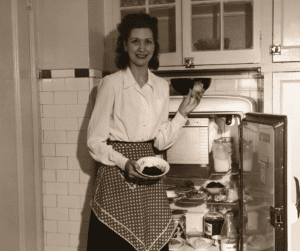 store Santa were a staple. Aluminum Christmas trees and color wheels trended, and suburban homes were decorated with elaborate light displays. Santa Claus parades and holiday shopping became integral to the season.
The toy industry expanded. And the Sears Wish Book and other retailer catalogs brought all those choices into view. Many nice Baby Boomer children wrote letters to the North Pole with a wish list.
Televisions became a household staple (as did TV trays and TV dinners). Holiday specials like “Rudolph the Red-Nosed Reindeer” (1964) and “A Charlie Brown Christmas” (1965) became instant classics. You had to wait all year to get to see the shows which made them extra special.
Hanukkah Becomes a Major Holiday
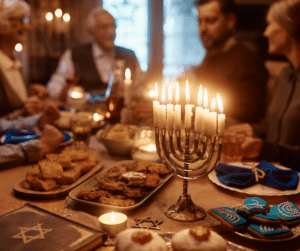 Hanukkah had traditionally been a minor Jewish holiday commemorating an Israelite revolt against Syrians. It was celebrated with a gift of chocolate coins.
As both Hanukkah and Christmas are in December, many Jewish families began giving gifts to their children for Hanukkah. And Hanukkah grew to become an important Jewish holiday.
The eight-day celebration expanded to include all sorts of décor, special foods, candle lighting, games, and gifts. Retailers and the post-war consumer culture were also part of boosting Hanukkah important for those that celebrated.
How Holiday Celebrations Have Changed, Continuing Years
1970s, 1980s & 1990s – Pop Culture, Technology: Generation X followed the Baby Boomer Generation and was much smaller. Gen Xers were both from 1965 to 1980. In the 1970s, economic challenges saw holiday celebrations scaled back somewhat. The 1980s, though, reversed this trend and commercialism and spending rose measurably. In the 1990s, age-old traditions continued to combine with or be elevated by digitized and tech-related ones.
MTV music videos were created for the holiday season. And music like popular hit “Feliz Navidad” by José Feliciano became part of the playlist.
Artificial trees, themed decorations, Santa parades, and holiday specials on TV were all part of the mix. Toys developed from pop culture influences were sought after. For example, iconic 80s toys included: Transformers, Power Rangers, and G.I. Joe, My Little Pony, Teddy Ruxpin, He-Man and the Masters of the Universe, and Star Wars figures. And let’s 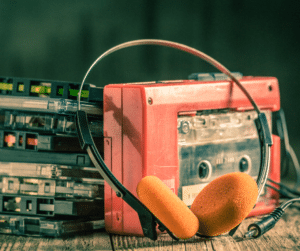 not forget the Rubik’s Cube and Cabbage Patch Kids.
Holiday themed movies like “Home Alone” and “The Nightmare Before Christmas” became part of the fabric of the season. Retailer websites and online shopping emerged, making it easier to find and purchase gifts.
In addition, new technology and digital age advancements added items to the gifting wish list. Video games, Walkmans, CDs, and personal computers became popular gifts.
Kwanzaa Celebrations Expand Across America
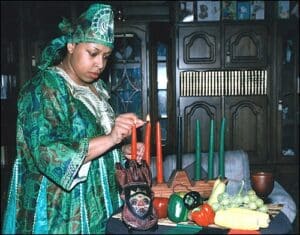 Another December holiday grew in popularity in America through these decades: Kwanzaa. Kwanzaa was created by an civil rights activist and first celebrated in 1966.
Kwanzaa is a celebration of African-American culture. It starts December 26 and continues to January 1 with a feast called Karamu, held usually on the final day.
It was born of harvest festival traditions from various parts of Africa. The name, Kwanzaa, comes from a Swahili phase meaning “first fruits”. Americans who celebrate Kwanzaa is estimated to be between 500,000 and 2,000,000. And some people who celebrate Kwanzaa also celebrate other holidays.
Holiday Celebrations into the Future
Fast Forward to Today – How do you celebrate? Do you send handwritten cards or e-cards or perhaps post wishes for good cheer to your social media connections? Are lighted candles part of your holiday tradition? Black Friday and holiday shopping continue their shift to be on-line – do you prefer to go into Bricks and Mortar shops or get everything shipped to your doorstep? Are there any 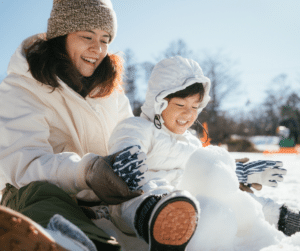 seasonal movies or TV shows that you never miss?
Virtual gatherings are more common now – thanks to Covid in great part. How do you celebrate with far-flung families and friends? Do you travel more or less to be together? What are your favorite holiday meals, decorations, and traditions? Do you like to get out in the snow or watch from an inside window?
Hopefully for all the Seniors, Baby Boomers and Gen Xers reading this, the heart of the holidays – caring, celebrating, and sharing with loved ones — remains unchanged.
Benefits of Nostalgia for Older Adults
Nostalgia isn’t just sentimental—it can be therapeutic. Research shows that when aging adults take the time to reminisce, they may:
- Reduce Stress & Lower Blood Pressure: Reflecting on positive memories helps calm the nervous system and, for some, may reduce physical symptoms of stress.
- Boost Mood & Ease Depression: Reminiscence therapy is actually a thing. It may be employed to help address depression and anxiety in older adults.
- Cognitive Functioning: Talking about past events stimulates memory pathways which is useful for cognitive functioning.
- Strengthen Social Bonds: Celebrating together and sharing stories of holidays past is a wonderful way to socialize. Loneliness is a challenge to healthy aging for aging adults so strengthening social bonds can be a good remedy to this.
Nostalgia isn’t about living in the past. Rather it’s about using cherished memories to enrich the present. For older adults, reflecting on holidays gone by can spark joy, strengthen bonds with others, and even help to improve holistic health.
At the same time, creating new traditions for holidays or for winter help ensure that the holiday season remains vibrant and meaningful for generations to come.
Happy Holidays from Friends Life Care
The Friends Life Care team wishes all of our members and friends the very best this holiday season. From the wellness and care coordination team to plan counselors and leadership, we hope you stay safe, enjoy the wonders of winter, and celebrate the holidays with your own perfect mix of traditional and new memories to make.