
Retirement Planning: What to Consider Before You Take the Next Step

You’re in your 60s, and you’re getting to that point where you’re starting to think about when you’ll retire. You can begin collecting Social Security benefits as early as age 62 at a reduced amount, or wait until age 67 for your full benefits to kick in. You may also be thinking about where you want to live. Do you want to stay in your home for the rest of your life, or relocate to your dream destination, like the beach towns along the Delaware coast? Thinking ahead and retirement planning are key to having low stress, happy, and healthy retirement.
How Much Money Do You Really Need to Retire?
 The largest concern when it comes to retiring is often, how much money do I really need to retire? When figuring this out, it’s important not to overlook any current expenses or potential future costs. Many people consult a retirement planning financial advisor to help guide them through the best strategies for their situation.
While you can expect to spend on taxes, transportation, food, and basic daily necessities, retirement planning goes beyond just covering your day-to-day expenses. It’s also important to take a step back and consider potential healthcare needs over time, including the average costs of long-term care. It’s something no one really wants to think about, but it becomes a reality for many.
On average, men require 2.2 years of some form of long-term care, and women require 3.7 years, according to ACL.gov.
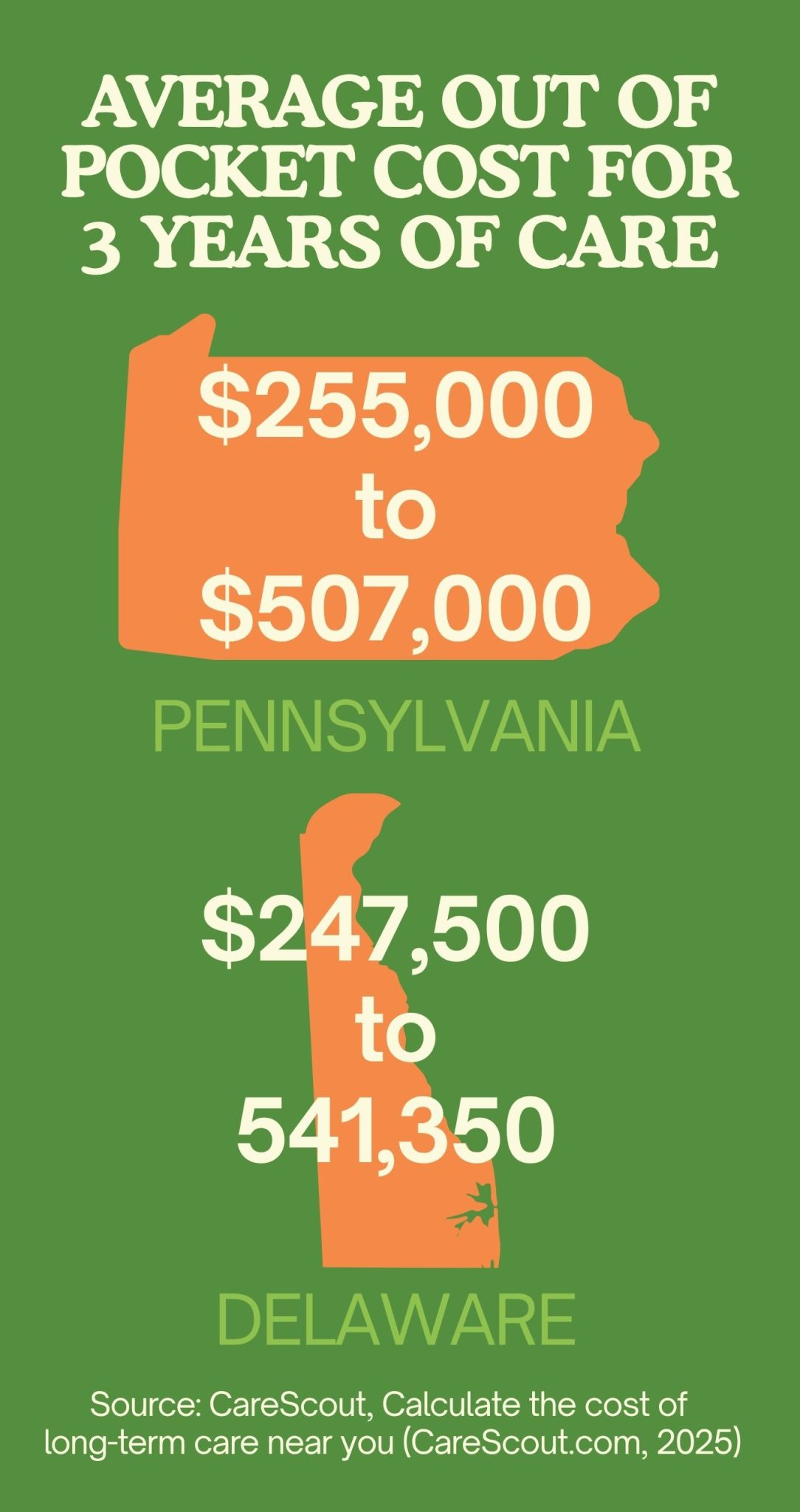
In Pennsylvania, three years of care can cost between $255,000 and $507,000 out of pocket. In Delaware, that range is $247,500 to $541,350, according to CareScout.
Thinking through these potential costs now and factoring them into your overall financial plan can help you feel more prepared for whatever retirement may bring.
Building a Retirement Plan That Works for Your Life
When you retire, it’s a whole new stage of life. Once you’ve thought through the financial side, the next question becomes how you actually want to live in retirement. It’s a time to do the things you’ve been putting off and to try new experiences. When the honeymoon phase settles, you’ll likely want to create a new routine and lifestyle, one that’s filled with hobbies you enjoy, people you love, and a sense of purpose that feels fulfilling.
If you wish to continue living in your home throughout retirement and age in place, having some level of support can make this transition feel more manageable. Whether that means staying on top of your health and wellness, having guidance when questions come up, or making your house more accessible, it can help you continue living comfortably at home.
It can also be an adjustment to move out of work mode and learn how to no longer rely on a paycheck, and instead rely on your savings and investments. Planning for what life may bring, both expected and unexpected, can help make this shift feel less overwhelming. Instead of making retirement feel worrisome, thinking ahead can help you enjoy this stage of life more fully.
Download the Friends Life Care Guide to Navigating the Stages of Retirement Here

Planning for More Than Finances: Health, Home, and Support
As you step into retirement, you’ll want to feel a sense of balance in your life, socially, mentally, financially, and physically. Planning for retirement isn’t just about your finances; it’s also about thinking through how you want to live day to day and what kind of support may be helpful over time.
For many people, that includes planning to stay in the home they love while making sure they have a support system in place, not just financially, but for whatever life may bring. At Friends Life Care, Plan Counselors help guide people through these conversations, offering a way to think through the different stages of retirement and what support might look like along the way.
If you’d like to learn more about planning for retirement and what options are available, you can reach out to Friends Life Care to continue the conversation.
Contact Us
Leave a Comment